Structured literacy intervention for your students.
One-to-one structured literacy intervention for students with dyslexia, in person or online. Schools can point families toward Lantern, and some can arrange on-site sessions — what’s possible depends on the school.
Intervention that complements the classroom.
Strong classroom instruction does many things well. For students with dyslexia, an added strand of one-to-one structured literacy sits alongside classroom instruction and teaches the same patterns at a different intensity.
Broad curriculum, peer learning, comprehension, and content knowledge across many subjects, delivered to a full class at grade pace.
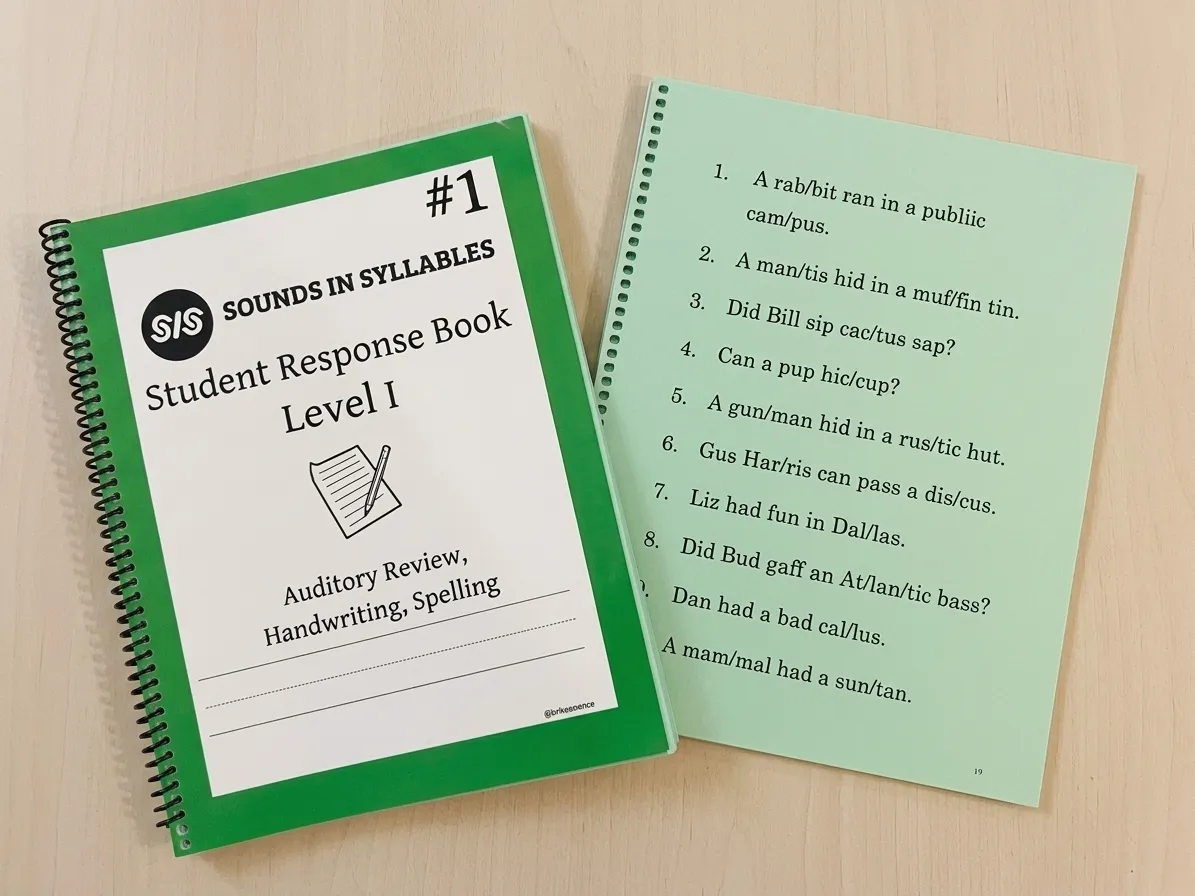
Explicit, sequential, multisensory instruction in the structure of language, one-to-one and paced to a single student until the foundational skills are secure.
Grounded in the evidence base for dyslexia.
Orton-Gillingham
The original approach behind structured literacy, in use since the 1930s, adapted to each student’s current skills rather than to a grade-level calendar.
Structured and sequential
Skills are taught explicitly and in a deliberate order, each building on the last, so nothing is left to incidental discovery.
Multisensory and diagnostic
Instruction engages multiple pathways at once and responds continuously to what the assessment and each session reveal.
Partnering with schools.
What working together looks like depends on the school. A private school can arrange on-site sessions during the school day when it chooses to. Homeschool families have the most flexibility of all — the parent decides, and sessions can happen at home or online. Public schools generally can’t host an outside provider on campus during the day, so there the intervention runs outside school hours or online, with the school coordinating alongside.
In every setting, families enroll and pay directly, with no district contract to work through, and my role stays the intervention itself: teaching one-to-one and sharing what each session shows, alongside the school rather than as part of its staff. If you’re a parent, you can start that conversation, or ask your school to.
Reach out about your school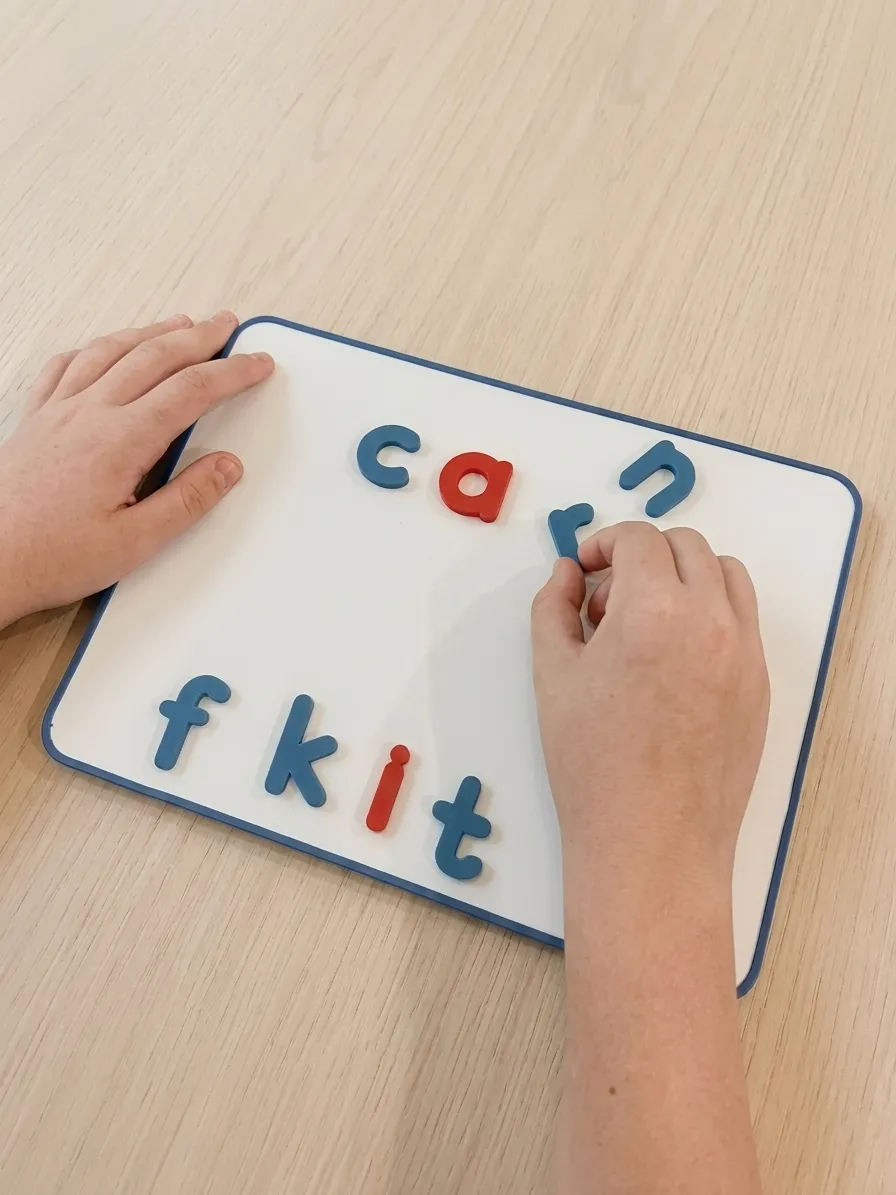
No referral paperwork, and the family stays in control.
01
Start a conversation
A teacher can point a family here, or a school can reach out about students it has identified. Families begin with a free consult. No referral paperwork is required.
02
Assessment and plan
An initial assessment establishes the student’s profile and an individualized plan, which can be shared with the family and, with their consent, the school.
03
Ongoing coordination
With family consent, progress can be coordinated with classroom teachers and support teams so everyone reinforces the same direction.
Further reading.
Short explainers on dyslexia and structured literacy, written for anyone who wants the background, school teams included. More are added over time.

Why reading problems surface in third and fourth grade
What changes around third grade, why hidden struggles surface, and what to do.
Read the article
What is the Orton-Gillingham approach?
The original structured, multisensory method behind structured literacy, explained.
Read the article
Tutoring vs structured literacy intervention
How to tell whether a struggling reader needs tutoring or intervention.
Read the articleQuestions schools ask.
How is this different from classroom reading support?
Classroom support works within the school’s program and schedule, usually in a small group. Intervention here is one-to-one, three times a week, paced to a single student’s skills, using a structured approach designed for students with dyslexia. The two can run side by side.
What training stands behind the practice?
I hold an active North Carolina elementary teaching license and am completing therapy-level training in structured literacy through ASDEC under CALT supervision, working in the Orton-Gillingham approach and the Sounds in Syllables curriculum.
Do you diagnose dyslexia?
No. A formal diagnosis comes from a licensed psychologist or educational diagnostician. No diagnosis is needed to start. An initial assessment establishes the student’s profile and whether this approach fits.
Will you coordinate with IEP or 504 teams?
With the family’s consent, progress and approach can be shared with classroom teachers and support teams so school and intervention reinforce the same goals.
Can our school bring Lantern in to work with students on-site?
It depends on the school. Private schools in the Triangle can arrange on-site sessions during the day at their discretion, usually with a background check, proof of insurance, and a short facility-use agreement, all of which I can provide. Public schools generally can’t host outside providers on campus during the day, so there the work runs outside school hours or online, alongside coordination with the school team. Outside the Triangle, sessions are online.
Does the school pay, or the family?
Families enroll and pay directly, the same as any private intervention. There is no district contract to set up. The school’s role is identifying students, facilitating, and coordinating with the family’s consent. Lantern is also an enrolled Education Student Accounts (ESA+) provider and is approved to accept ESA+ scholarship funds; whether a given expense qualifies is determined by SEAA.
Do you partner with schools outside the Triangle?
Yes, virtually. A school anywhere can reach out about students who need structured literacy intervention, and sessions are delivered online.

Let’s talk about your school.
Whether you’re looking for a practitioner to recommend to families, or want to explore on-site sessions where your school can host them, tell me what your school needs. A teacher pointing one family in the right direction is just as welcome. A short conversation is the best place to start, and it costs the family nothing to find out whether this suits the student.
Reach out about your school