When reading is hard for a child, there is a reason, and it can be taught.
One-to-one structured literacy intervention for students with dyslexia, grounded in Orton-Gillingham and the Sounds in Syllables curriculum.
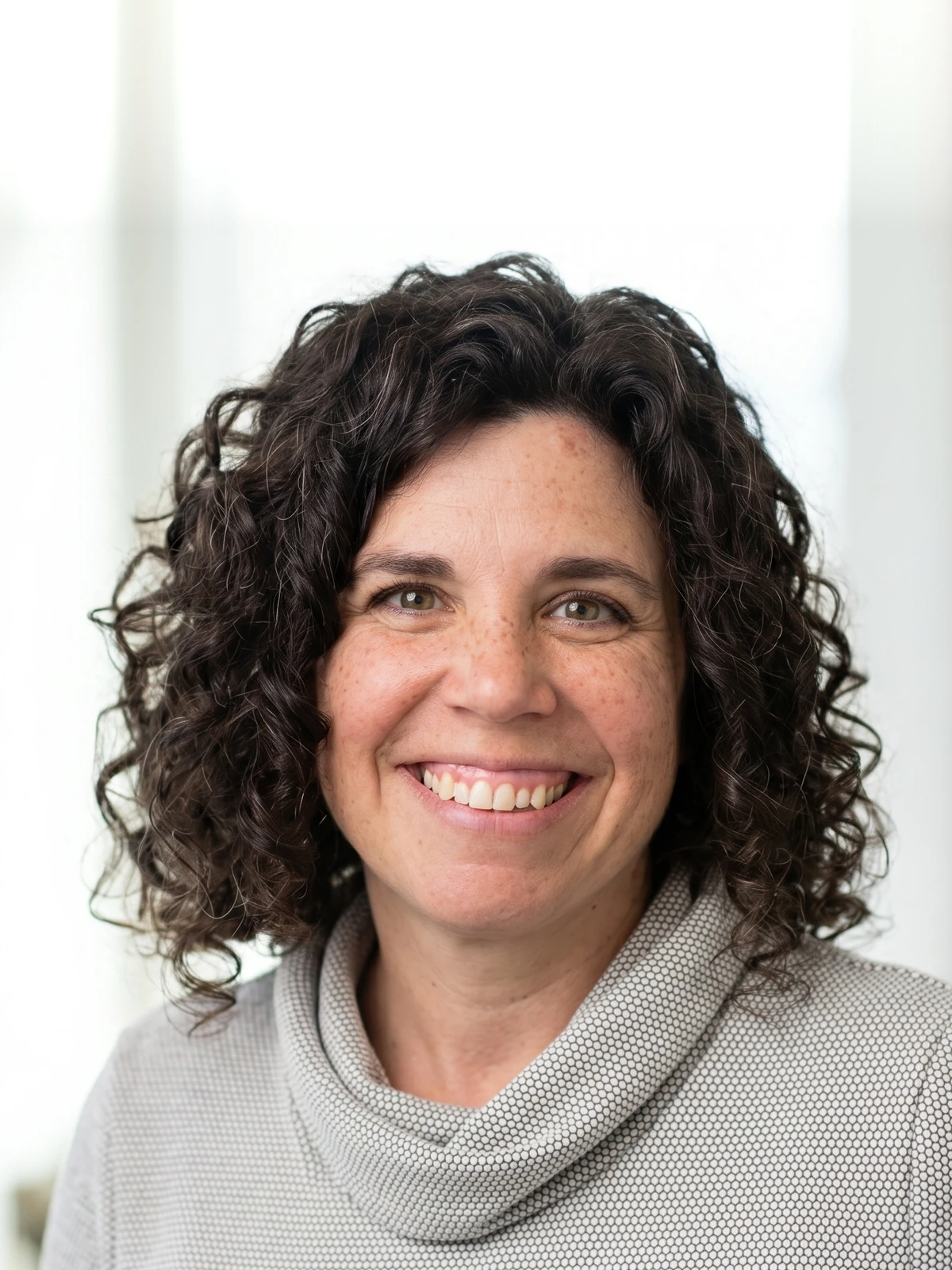
Elizabeth Wagner · Active NC teaching license · In supervised training toward CALT certification · In the Triangle and virtually

If reading has been hard, the cause matters.
Some children do not pick up the sound-symbol system from exposure alone. The IDA defines dyslexia as difficulties that persist even with instruction that is effective for a child’s peers. This work is for students with diagnosed or suspected dyslexia, and for those who have stalled despite good teaching. You do not need a diagnosis to start.
- Slow or labored decoding
- Spells a word two ways on one page
- Reading errors with no connection to the letters on the page
- Avoids reading aloud
- Understands far more than they can read
- Reads accurately but slowly
- Spelling lags well behind reading
- Writing falls short of how they speak
- Avoids written work
- Tires quickly on reading-heavy tasks
- Persistent slow reading
- Weak spelling beside strong verbal ability
- Trouble learning a foreign language
- Avoids reading-heavy courses
- Test anxiety tied to reading speed
Reading is teachable.
Structured literacy teaches the system behind written English directly and in order, sound by sound, pattern by pattern, using sight, sound, and movement together. It is the approach research supports for dyslexia,1 and it asks for a volume of individual repetition that one-to-one time makes room for.
Adapted as it goes, and built to hold.
Every engagement is built around one student, and it begins with understanding your child.
01
Assessment
A short evaluation establishes where a student is and whether this work suits them. If it isn’t, I’ll say so.
02
The work
One-to-one sessions that build reading skill in order, each one adapted to the last.
03
Progress
Change is gradual, and the sequence keeps returning to what was taught. Early progress shows in small ways, like a word attempted instead of skipped.
Three sessions per week · 60 minutes · about 36 sessions to start · In person or virtual
The shape of the work
Real progress takes as long as it takes.
Reading is built one layer at a time. There is no way to know the exact path until the work is underway. What I can tell you early is whether the rapport and rhythm are building.
What can be known, and when
Whether the rapport and rhythm are building
In the first few weeks
Whether this is the right fit
From week 12
How long the whole of it takes
Not knowable in advance
Attentive to the whole child
A child is more than how they read.
The way a child focuses, how they feel about school, the languages they speak at home: these are part of the picture, and they shape how I teach and how progress is made. When something is worth a closer look from another professional, I will name it. That is part of doing this work well.
Questions families ask first.
How is this different from tutoring?
Structured literacy intervention differs from tutoring in what it targets. Tutoring works on the material a child has in front of them. Dyslexia sits underneath that material, in how the brain connects sounds to letters, so it needs teaching aimed at that layer directly.
What is structured literacy intervention?
Structured literacy intervention is explicit, systematic teaching of how written English works: the sounds of language, how letters map to them, and how words and sentences are built. Lessons follow a deliberate sequence and use sight, sound, and movement together, paced to the individual student. The International Dyslexia Association describes this as the instruction dyslexia calls for.
What does a literacy interventionist do?
A literacy interventionist teaches reading to students who have not learned it from classroom instruction alone. The work is diagnostic: finding where reading is catching, teaching the missing skills directly and in order, and adjusting each session based on the last. It builds the foundation the week’s classwork rests on.
What is the best reading program for a child with dyslexia?
There is no single best reading program for dyslexia. What the evidence supports is an approach: structured literacy, taught explicitly and systematically by someone trained to adapt it to the child.1 Orton-Gillingham is the original method within that approach. Method and fit matter more than brand name. Lantern uses Sounds in Syllables, a curriculum built on Orton-Gillingham, taught one to one.
Do you diagnose dyslexia?
No. A formal dyslexia diagnosis comes from a licensed psychologist or educational diagnostician, not from an interventionist. Intervention does not require a diagnosis to begin. A short assessment shows where your child is and whether this work fits, and if a full evaluation would help, I’ll point you toward one.
What ages do you work with, and where?
Lantern is set up for students roughly 7 to 18, from early readers to high schoolers facing college-level reading demands. Sessions take place in person across Apex, Cary, Raleigh and nearby, and virtually for families anywhere in the country. The method and the rigor are the same in both settings.
What about ADHD or anxiety?
When ADHD or anxiety are also present, the assessment accounts for them and sessions are paced with that in mind. If something calls for another professional, such as a psychologist, speech-language pathologist, or physician, I will raise it with you directly.
How long until we see progress?
Structured literacy is sequential and cumulative, so meaningful change comes from consistent work over time rather than a few sessions. There is no set timeline: how soon progress shows depends on the student’s starting point and profile, and on how consistently sessions are held, so it varies from one student to the next. Progress is reviewed regularly, against where the student began.
How are parents kept informed?
Progress is tracked across sessions and shared with families, so you understand what is being worked on and how your child is responding. The work at home and at school can then reinforce the same direction.
Begin with a conversation.
The first step is a free 30-minute consult: your child’s reading so far, and whether this work makes sense.
Book ConsultJust have a question?