The work begins with knowing the child.
I founded Lantern Academic Interventions to teach reading one to one, in the sequence a student actually needs, and to stand alongside your family and their teachers while you find your way through it.
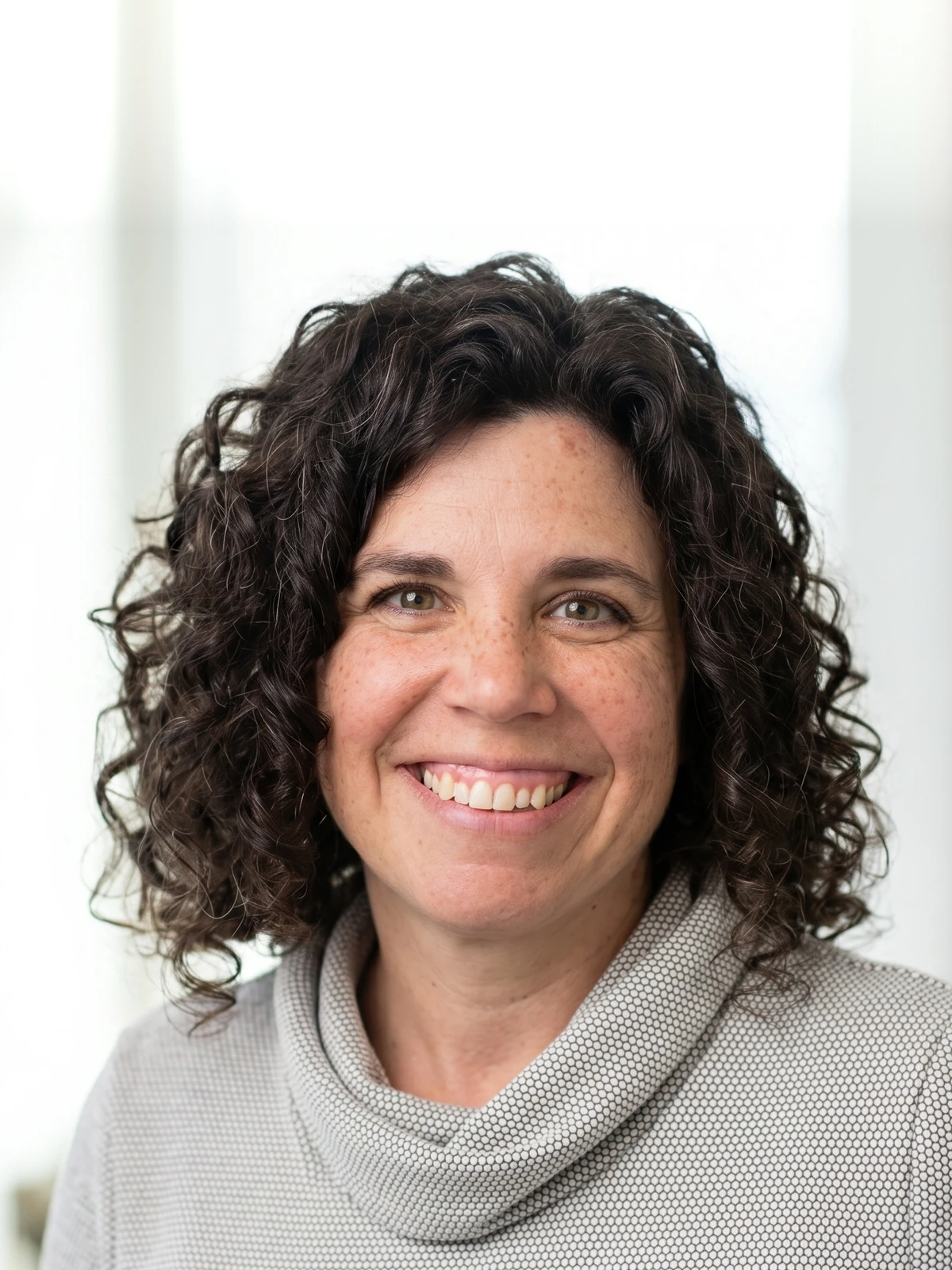
Six years in elementary classrooms in Minnesota, and the students I kept noticing were the bright ones I could not reach with what I had. They could talk circles around a subject and then go quiet on the page. What they needed was the sound-symbol system taught outright, in order. It was a specific kind of teaching that was not part of my own preparation at the time. I could see it and I could not do anything about it.
The route from there to here was not planned and it was not direct. Raising three children of my own, including through anxiety and ADHD, taught me the rest of it. What I have now is the training I did not have then, and the perspective of having watched this from more than one side.
For families across the Triangle and virtually nationwide, this means intervention that meets their student where they are, builds skills in deliberate sequence, and treats reading as a skill that can be taught. Even when it has been hard.
Outside the practice, I am married and a mother of three, with children in elementary, middle, and high school.
A child who cannot read yet can be working harder than anyone in the room, and still look like they are not trying.
Elizabeth Wagner
Training Toward CALT Certification
Completing coursework and supervised hours toward the CALT credential, awarded by the Academic Language Therapy Association (ALTA).
North Carolina Teaching License
Elementary Education (K–6) and Language Arts (6–9), Department of Public Instruction.
Orton-Gillingham Based
Sounds in Syllables, the explicit, multisensory curriculum used in every session.
Six Years in the Classroom
Third and fourth grade in Minnesota public schools, across the full range of readers.
What I believe about the work.
I believe reading is teachable, and that the work is to find the teaching that fits the student in front of me.
I believe that families know their child best, and that intervention starts with listening, most of all to the student.
I believe that progress is measurable, and that the moment worth working toward is the one when a child realizes they can do something they couldn’t do yesterday.
About the practice.
What are your qualifications?
I hold an active North Carolina elementary teaching license and am currently completing therapy-level training in structured literacy through ASDEC. I work under the supervision of a Certified Academic Language Therapist (CALT) and ASDEC clinical supervisor while I complete my coursework and required hours toward that certification. My practice focuses on learners identified with dyslexia and others who show the same difficulty connecting sounds to print.
What approach do you use?
Orton-Gillingham, taught through Sounds in Syllables. It’s explicit, systematic, and multisensory. The teaching is diagnostic: each session shows me what a student has secured and what still needs work. That shapes what I do next, both in the moment and the next time we meet.
Do you work with schools or only families?
I work directly with families, and I’m glad to coordinate with a student’s school or other providers when that helps everyone reinforce the same direction.
I would be glad to talk.
If you would like to talk through what is happening with your child’s reading, a free 30-minute consult is the place to start. An unhurried conversation about what they need.
Book ConsultJust have a question?